Compare Local Contractors for Inground Sprinkler Installation Success
Compare local contractors for inground sprinkler installation to clarify scope, verify experience, and set clear expectations in writing for a successful project.
Inground sprinkler installation typically involves designing and setting up an underground system that efficiently distributes water across a property's landscape. This work includes planning the layout of sprinkler heads, installing underground piping, connecting the system to a water source, and ensuring proper coverage for lawns, gardens, and other landscaped areas. Contractors often handle tasks such as trenching, system testing, and adjustments to ensure the setup functions correctly and provides even watering. Clear communication about the scope of work helps property owners understand what is included, whether it’s a full system installation or upgrades to an existing setup, and ensures the project aligns with specific landscape needs.
Defining the scope of an inground sprinkler project is essential for establishing expectations and avoiding misunderstandings. Property owners should work with service providers to specify details such as the size of the area to be irrigated, the number of zones, types of sprinkler heads, and any additional features like rain sensors or timers. A detailed scope also covers site-specific considerations such as underground obstacles or existing landscaping that might influence installation. Having this information in writing helps ensure that both parties agree on what work will be performed, and it provides a reference point should any questions or issues arise during or after the project.
When comparing local contractors for inground sprinkler installation, property owners should consider experience and expertise relevant to the scope of their project. It’s helpful to inquire about previous work in similar landscapes and to request references or examples of completed installations. Verifying that service providers understand local soil conditions, water pressure, and landscape features can lead to better results. Additionally, reviewing written estimates, scope of work, and warranties can aid in making informed comparisons. Choosing a contractor with a clear approach to defining project details and transparent communication can contribute to a smoother installation process and a system that meets the property's irrigation needs effectively.
Compare local contractors by outlining priorities, verifying experience, and setting clear expectations in writing.
- Compare Contractor Experience - review the background and project history of local service providers to ensure they have relevant experience.
- Define Project Scope Clearly - establish detailed work parameters to set accurate expectations for the installation process.
- Verify Service Provider Credentials - confirm qualifications and references to assess the reliability of local contractors.
- Document Agreements in Writing - ensure all project details, responsibilities, and expectations are recorded in a formal contract.
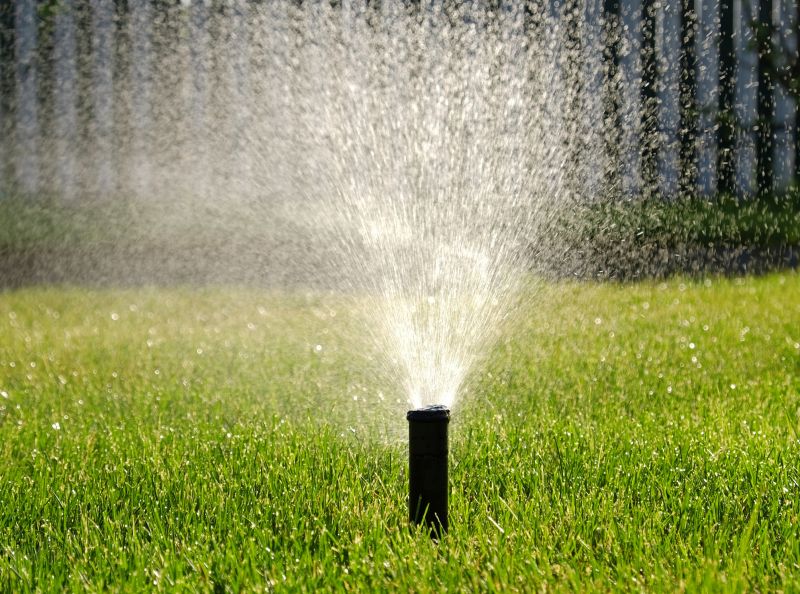
Clearly describe your inground sprinkler project to help compare local contractors, define scope, verify experience, and set expectations in writing.
- Verify that the contractor understands the full scope of the inground sprinkler installation project. - Ensure that service providers clearly define the work to be completed and any specific requirements.
- Check that the contractor has relevant experience with inground sprinkler systems similar to the project's needs. - Look for evidence of past work or references related to sprinkler installation projects.
- Confirm that the scope of work, materials, and responsibilities are documented in writing before work begins. - A written agreement helps prevent misunderstandings and sets clear expectations.
- Assess the contractor’s knowledge of local regulations and property considerations affecting sprinkler system placement. - Local contractors should be familiar with area-specific codes and landscape features.
- Ensure that the contractor plans for proper system zoning and water coverage to meet the property’s irrigation needs. - Proper zoning ensures efficient watering and system performance.
- Review the contractor’s approach to troubleshooting potential issues and maintenance requirements during installation. - Understanding their process can help anticipate future system performance and service needs.
Compare local contractors to clarify scope, verify experience, and set clear project expectations.
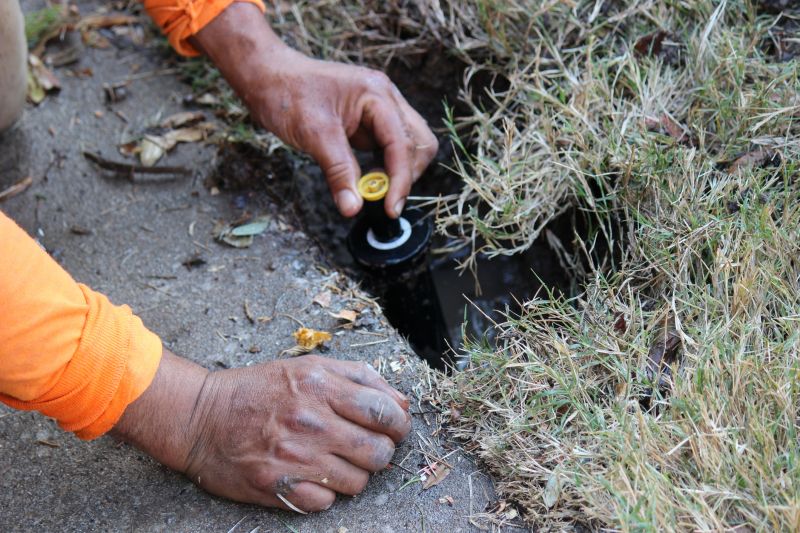
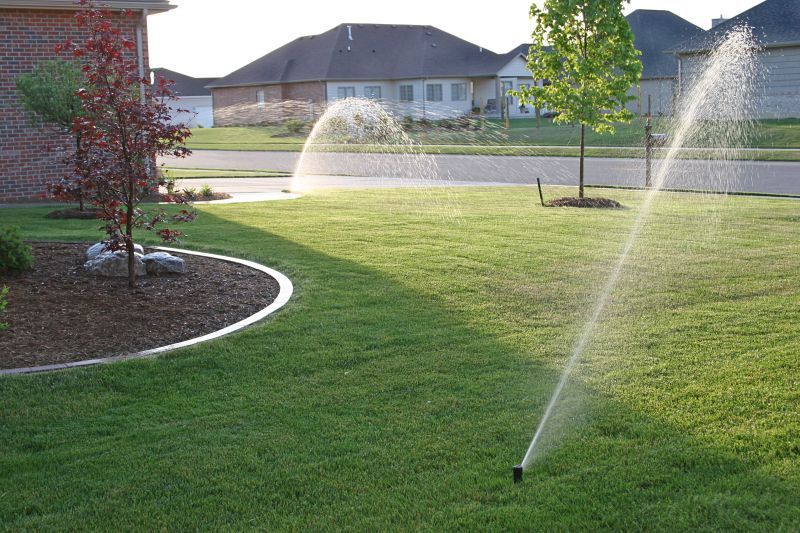
Compare local contractors' scope of work and verify experience to ensure consistent expectations across providers.
- Project Scope - Clearly define the areas to be covered by the sprinkler system and the specific zones required.
- Design Specifications - Outline the type and number of sprinkler heads, piping layout, and controller features needed.
- Experience and Credentials - Verify that service providers have relevant experience and a track record with similar installations.
- Material and Equipment Details - Specify the brands, models, and quality standards for pipes, heads, and controllers to be used.
- Warranty and Service Terms - Establish written agreements on workmanship, parts, and ongoing support to ensure clarity.
When comparing contractors for inground sprinkler installation, it’s important to consider their experience with similar projects. Homeowners should inquire about the types of landscapes and systems the contractors have worked on, ensuring they have a track record of handling installations comparable to the scope of the job. A contractor with relevant experience is more likely to understand the complexities involved, such as soil conditions, existing landscaping, and system integration, which can influence the quality and longevity of the installation.
A clear, written scope of work is essential for setting expectations and ensuring all parties are aligned. Homeowners should seek detailed descriptions of the services included, such as system design, materials used, installation methods, and any post-installation services. Having this information documented helps prevent misunderstandings and provides a reference point throughout the project. Service providers who can articulate their approach in writing demonstrate professionalism and clarity, making it easier to compare options objectively.
Verification basics are critical when evaluating local contractors for sprinkler installation. Homeowners should verify that the contractors have appropriate experience with similar projects, review their references or portfolios if available, and confirm that they follow industry standards for installation practices. Asking about the steps taken to ensure proper system functioning-such as pressure testing or zone testing-can help gauge the thoroughness of the work. These verification measures contribute to a more reliable and efficient sprinkler system that performs as intended.
Evaluating options without focusing on prices involves assessing how contractors communicate and how well their proposals align with project needs. Homeowners should compare the level of detail in written proposals, the clarity of the scope, and the professionalism of the contractors’ explanations. It’s also helpful to consider the contractor’s responsiveness and willingness to answer questions, as these qualities can indicate reliability and commitment to quality. By focusing on experience, scope clarity, and verification practices, homeowners can make informed decisions when selecting service providers for inground sprinkler installation.
Ask contractors to provide written scope details to ensure clear expectations and consistent project understanding.
- Experience and Qualifications - What specific experience do local contractors have with inground sprinkler system installations?
- Scope of Work - How do service providers define and outline the full scope of the sprinkler installation project?
- Materials and Equipment - What types of materials and equipment do local contractors plan to use for the installation?
- Project Expectations - How will the scope and responsibilities be documented to ensure clear expectations?
- Comparison Criteria - What key factors should be considered when comparing different service providers for this work?
How can I compare different contractors for inground sprinkler installation? To compare contractors, review their experience, verify references, and examine the scope of services they offer to ensure they meet project needs.
What should I consider when defining the scope of my sprinkler installation? Clearly outline the area to be irrigated, types of sprinklers, and any special features or zones to help contractors provide accurate proposals and avoid misunderstandings.
How can I verify a contractor’s experience with sprinkler system installation? Ask for details about their past projects, request references, and check if they have handled similar systems in your neighborhood or property type.
Why is it important to get project details in writing? Having a written agreement clarifies the scope, materials, and expectations, reducing the risk of misunderstandings and ensuring accountability.
What questions should I ask contractors during the comparison process? Inquire about their installation methods, experience with your type of landscape, warranties offered, and how they handle potential challenges during installation.
How can I ensure the contractor understands my specific landscaping needs? Communicate your landscape layout, existing features, and desired irrigation zones clearly, and confirm these details are included in the written scope of work.
By exploring the information provided, visitors can gain a clearer understanding of how to identify qualified contractors for inground sprinkler installation, including defining the scope of work, verifying experience, and setting clear expectations in writing. This knowledge helps in making informed decisions when comparing different service providers. Utilizing the quote form allows users to connect with various local contractors, making it easier to evaluate options and find the right fit for their project needs.
Taking the time to compare local contractors ensures that the process of installing an inground sprinkler system is approached with clarity and confidence. The quote form offers a straightforward way to reach out to multiple service providers, enabling comparisons based on experience, scope, and professionalism. This approach supports making well-informed choices when selecting a trusted contractor for the job.